Undergrowth Removal in Atlanta, GA
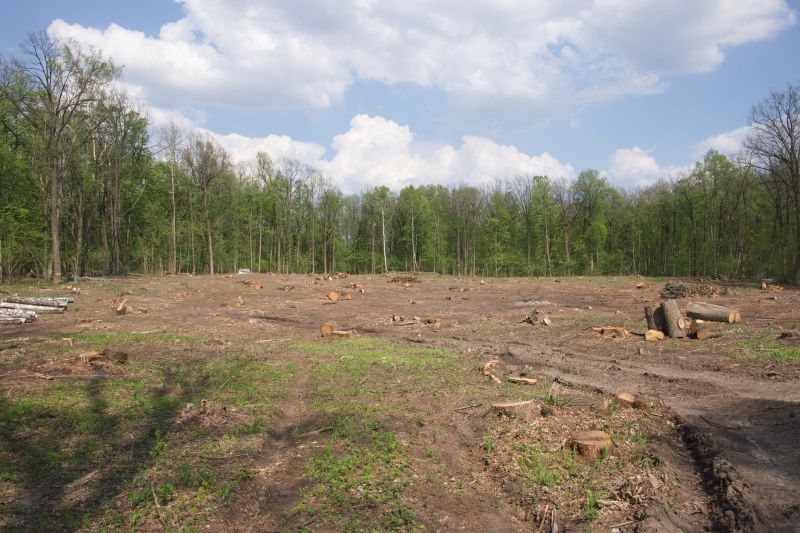
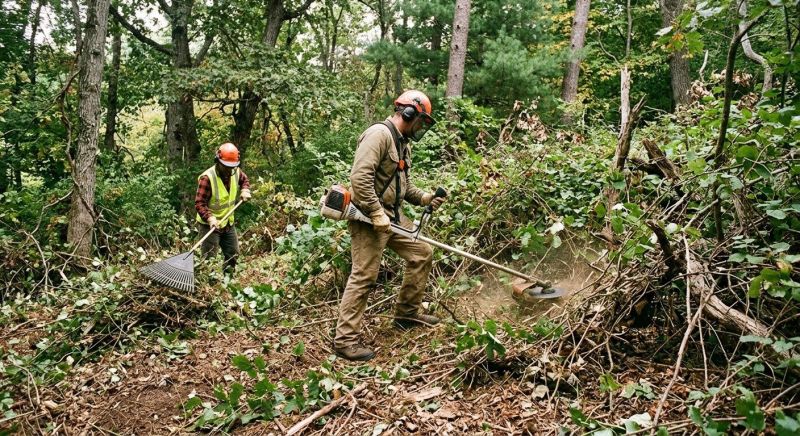
Undergrowth removal services involve clearing dense vegetation, shrubs, and small trees that can overrun a property and hinder its appearance or functionality. This type of work is often requested for projects such as preparing a yard for landscaping, improving visibility around the property, or reducing fire hazards in areas with thick brush. Property owners typically seek this service to create a cleaner, safer outdoor environment, or to make space for new landscaping or construction projects.
Before requesting undergrowth removal, property owners should consider the extent of the overgrowth, the types of plants involved, and any local regulations regarding vegetation management. Understanding the scope of the work and any potential obstacles, such as proximity to structures or underground utilities, can help ensure the project proceeds smoothly. Clear communication about desired outcomes and specific areas to be cleared can assist in achieving the best results for the property.
Many property owners in Atlanta, GA look into Undergrowth Removal for repairs, replacements, upgrades, and appearance-related improvements.
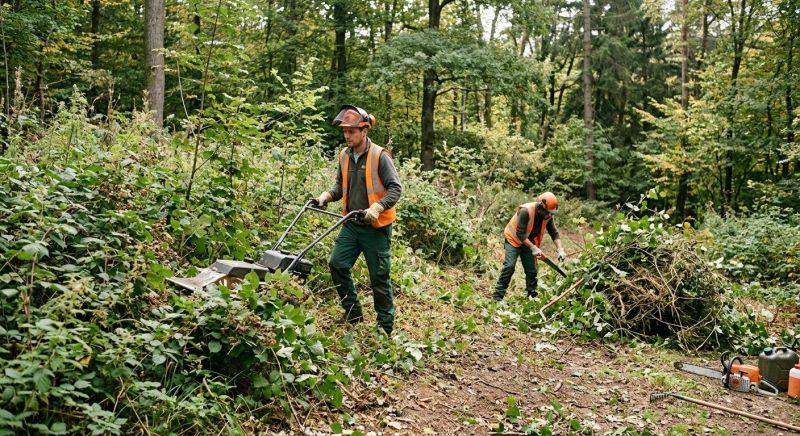
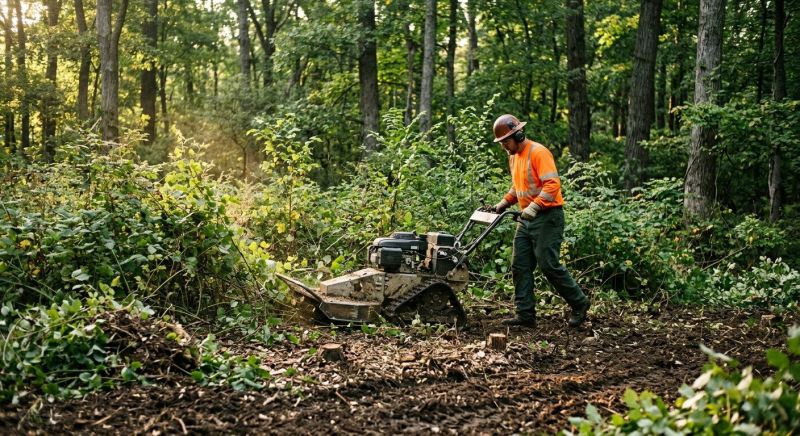
Clearing Overgrown Areas
Removing dense undergrowth to improve yard accessibility and aesthetics.
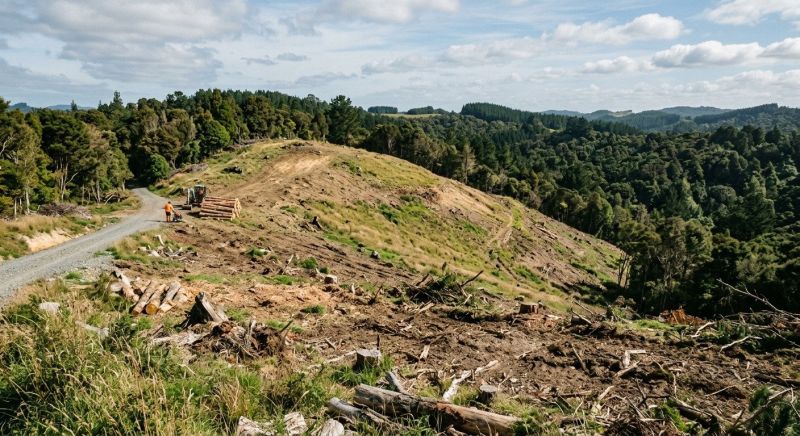
Preventing Property Damage
Reducing the risk of foundation issues and pest infestations caused by thick underbrush.
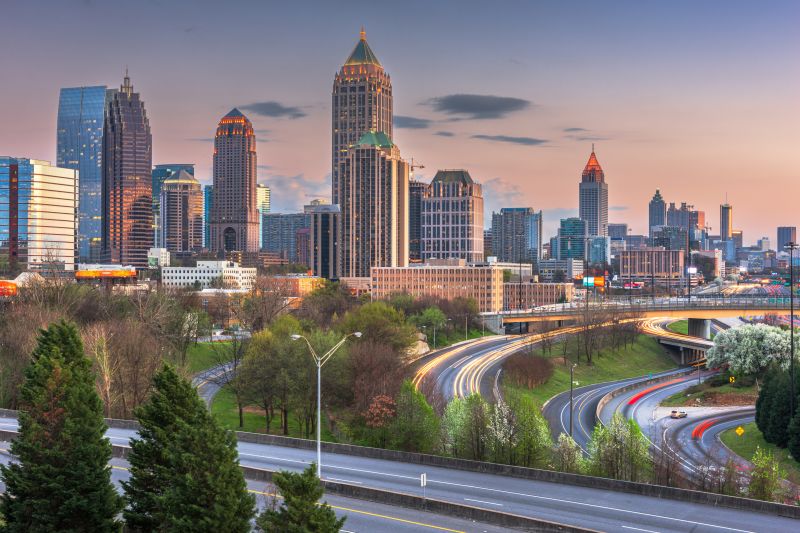
Enhancing Landscape Appearance
Creating a tidy and well-maintained outdoor space for residential and commercial properties in atlanta, ga.
Undergrowth Removal in Atlanta, GA
Undergrowth removal services involve clearing dense vegetation, shrubs, and small trees that can overrun a property and hinder its appearance or functionality. This type of work is often requested for projects such as preparing a yard for landscaping, improving visibility around the property, or reducing fire hazards in areas with thick brush. Property owners typically seek this service to create a cleaner, safer outdoor environment, or to make space for new landscaping or construction projects.
Before requesting undergrowth removal, property owners should consider the extent of the overgrowth, the types of plants involved, and any local regulations regarding vegetation management. Understanding the scope of the work and any potential obstacles, such as proximity to structures or underground utilities, can help ensure the project proceeds smoothly. Clear communication about desired outcomes and specific areas to be cleared can assist in achieving the best results for the property.
Many property owners in Atlanta, GA look into Undergrowth Removal for repairs, replacements, upgrades, and appearance-related improvements.
Common Undergrowth Removal Jobs
Undergrowth Removal - Clearing overgrown plants and shrubs to improve landscape appearance.
Brush Clearing - Removing dense brush to prevent pests and promote healthy growth.
Thicket Removal - Eliminating thick, tangled vegetation for better property access.
Vegetation Control - Managing invasive plants and unwanted undergrowth around the property.
Overgrowth Cleanup - Removing dead or excess plant material to enhance yard safety.
Wild Growth Removal - Clearing unmanaged vegetation to maintain a tidy landscape.
Undergrowth Removal Questions
What is undergrowth removal? Undergrowth removal involves clearing dense plants, shrubs, and small trees to improve yard visibility and safety.
When should property owners consider undergrowth removal? It is useful when overgrown areas hinder access, reduce aesthetic appeal, or pose fire hazards.
What types of projects typically require undergrowth removal? Common projects include clearing brush for landscaping, creating firebreaks, or maintaining pathways and garden beds.
What should property owners know before starting undergrowth removal? Proper planning helps identify which plants to remove and ensures the work aligns with property maintenance goals.
Request Undergrowth Removal in Atlanta, GA
Use the quote form on this page to share the basics of your project and request more information for the type of work you need.